
Fire risks from cheap extension cords: A warning for safer specifications
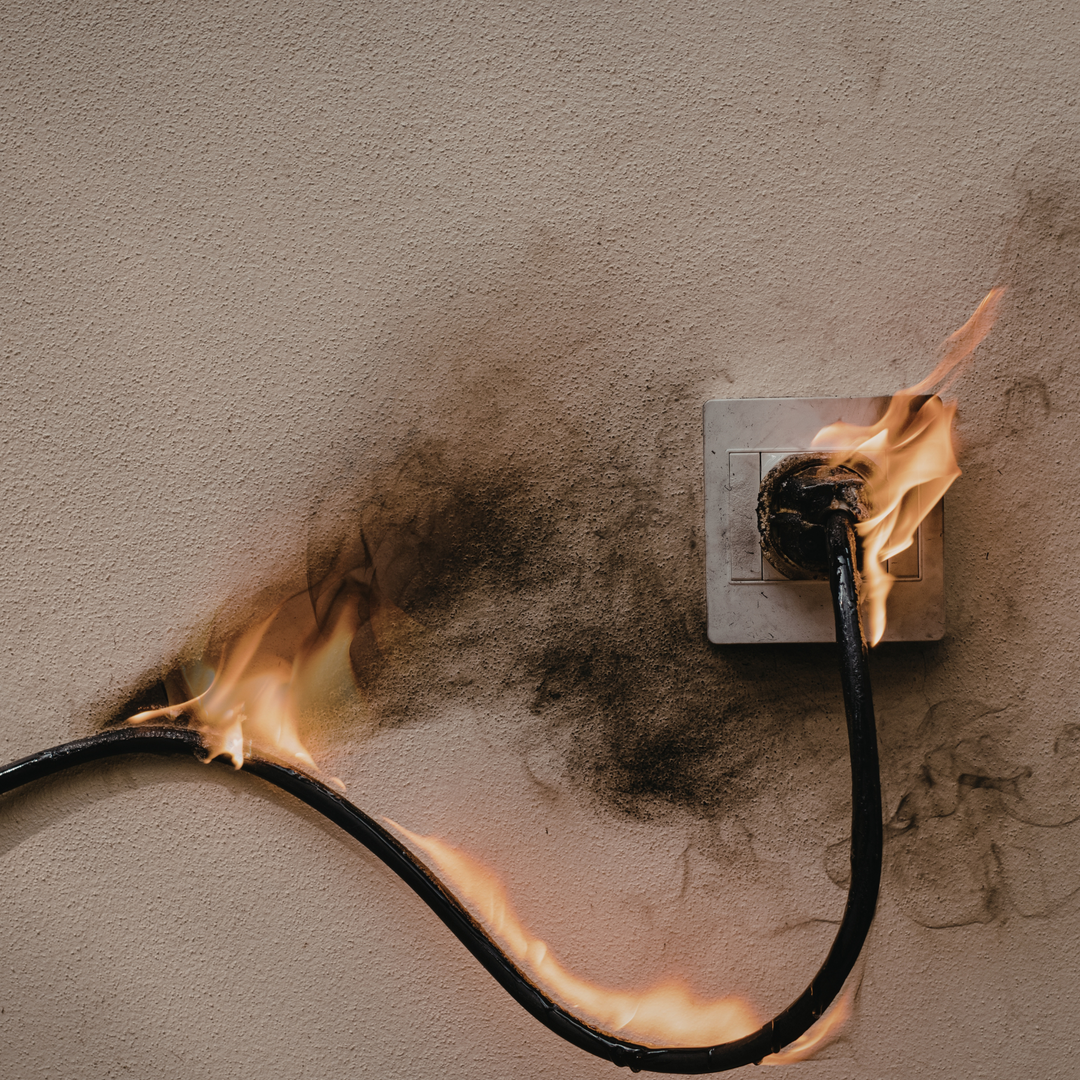
The rise of cheap, substandard extension cords in South Africa is creating a significant fire risk in residential and commercial spaces. Many of these products, often sold online, fail to meet safety standards, posing a threat to occupant safety and building compliance.
The problem with substandard extension cords
Michael van Niekerk, CEO of ASP Fire, highlights that many low-cost extension cords use aluminium conductors instead of copper. Aluminium is less capable of carrying electrical loads, degrades faster and is prone to overheating. These factors significantly increase the risk of ignition, particularly when extension cords are overloaded or used continuously.
Inconsistent standards enforcement
While the South African National Standards (SANS) provide clear safety benchmarks, enforcement remains inconsistent. The National Regulator for Compulsory Specifications (NRCS) has faced criticism for limited market surveillance, especially in the growing online retail sector.
To address this, the Department of Trade, Industry and Competition (DTIC) is introducing stricter import controls. Certificates of Conformity (CoCs) will soon be required for certain products, with enforcement supported by the Border Management Authority and SARS at entry points.
Practical risks to avoid
Substandard extension cords pose several risks, including:
- Overheating: Inadequate current capacity leads to excessive heat build-up.
- Conductor breakage: Aluminium conductors are more prone to internal damage, increasing the likelihood of short circuits.
- Ignition risk: Overheating and degraded materials can easily ignite, especially in high-load or continuous-use scenarios.
These risks are critical for architects and designers to consider when specifying electrical components for projects.
Recommendations for safer specifications
Reducing the risk of fire starts with specifying compliant, high-quality products. Here are some actionable steps:
- Specify SANS-compliant products: Ensure all extension cords and cables meet South African National Standards.
- Avoid aluminium conductors: Opt for copper conductors, which are safer and more durable.
- Circuit protection: Incorporate earth leakage circuit breakers to safeguard against electrical faults.
- Supplier certification: Demand evidence of compliance and testing from suppliers.
- Integrate safety checks: Include product safety and procurement checks in your project’s quality assurance process.
A call to action for the industry
Reducing electrical fire risks requires more than just compliance on paper. It demands proactive specification, stronger supplier accountability and active enforcement. By specifying SANS-compliant products and advising clients on safe installation and use, architects and designers can play a pivotal role in creating safer spaces.