
Smart charging to transform building energy management in SA
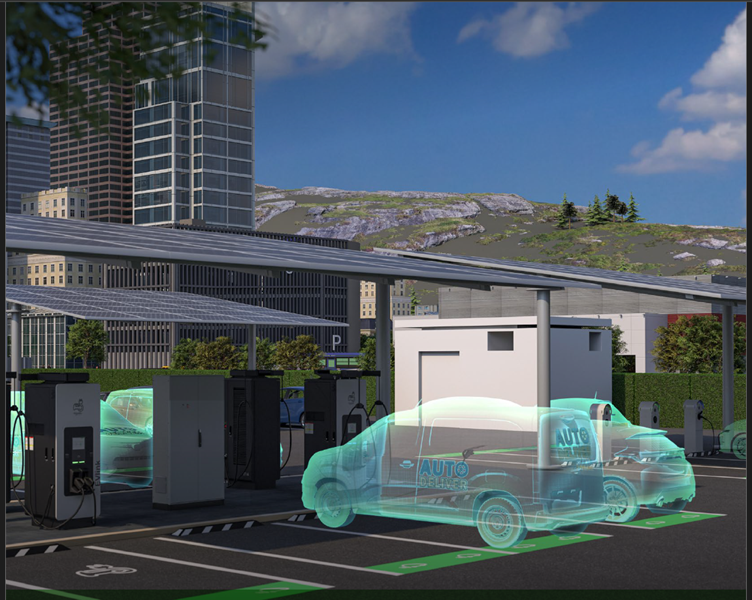
The African electric vehicle market presents unprecedented opportunities for building energy transformation. Grace Olorunsola, Offer Manager for e-Mobility at Schneider Electric, explains how smart charging technology reshapes building energy systems across South Africa. Furthermore, the continent’s EV market projects growth to nearly USD 6 billion by 2031, reflecting a compound annual growth rate exceeding 50%.
A changing landscape
Traditional building energy management focused on consumption reduction, efficiency improvements and renewable integration. However, electric vehicle adoption fundamentally changes this landscape making it important for facility managers to adapt their energy strategies accordingly.
Buildings naturally emerge as primary charging destinations because electric vehicles require extended charging periods. Unlike conventional vehicles, EVs need four to ten hours for complete AC charging cycles. Furthermore, even DC fast chargers requiring 15 to 30 minutes encourage strategic charging location planning. Consequently, homes, office parks, shopping centres and mixed-use developments become integral charging hubs.
Addressing infrastructure challenges
Smart charging integration addresses significant infrastructure challenges for building owners and facility managers. A single AC charger demands up to 22 kW of power capacity. Moreover, 10 chargers in commercial buildings can dramatically increase electricity demand. DC charging, on the other hand, requires 120 kW to 720 kW per charger, creating substantial load requirements that existing building infrastructure often cannot support without major upgrades.
Unmanaged EV charging creates serious operational risks for building energy systems. When chargers operate without intelligence, they draw power continuously while vehicles remain plugged in. Furthermore, multiple simultaneous charging sessions cause cumulative load increases. Eventually, buildings may exceed subscribed maximum power limits, triggering financial penalties, increased electricity costs, or complete system overloads causing building-wide blackouts.
Smart solutions
Smart charging technology provides the essential solution for sustainable EV integration in buildings. These systems create integrated energy ecosystems where chargers coordinate across multiple stakeholder requirements. Additionally, smart charging balances building internal load profiles, electricity grid constraints, distributed energy resources, and individual EV driver needs. Therefore, this coordination ensures smooth charging experiences while protecting buildings from overload scenarios.
Dynamic load management represents the cornerstone capability enabling EV-ready building infrastructure. Every building operates within maximum subscribed power limits that smart charging systems respect absolutely. Furthermore, intelligent load management monitors building real-time consumption, available capacity remaining, and current EV charging sessions. Consequently, when building consumption rises, systems automatically reduce charging power across vehicles, sharing available energy intelligently.
Advanced smart charging systems automatically adjust power distribution based on real-time demand patterns. When building consumption drops during off-peak periods, systems increase charging power again. This ensures vehicles charge efficiently without compromising building operations. Moreover, smart charging prevents costly demand charges and maintains reliable building energy supply throughout peak usage periods.
Microgrid technology enhances smart charging capabilities significantly through distributed energy resource integration. Solar installations, battery storage systems and microgrids support charging demand while improving resilience. Furthermore, these systems reduce reliance on unstable grid supply, especially during peak periods or in regions where grid reliability remains challenging.
Proactive planning a necessity
The South African EV market growth trajectory demands immediate smart charging infrastructure development. Building owners must prepare for exponential electric vehicle adoption rates across commercial and residential sectors. Additionally, early smart charging implementation provides competitive advantages while avoiding costly retrofitting requirements. Therefore, proactive planning ensures buildings remain viable charging destinations as EV adoption accelerates.
Smart charging systems deliver measurable benefits for building energy management and operational efficiency. These solutions reduce peak demand charges, optimise renewable energy utilisation, and enhance grid stability. Furthermore, intelligent charging coordination improves building energy resilience whilst supporting sustainability goals. Consequently, smart charging represents essential infrastructure investment for future-ready building energy systems.
(Based on expert insights from Grace Olorunsola, Offer Manager for e-Mobility, English-speaking Africa at Schneider Electric.)